



Why it matters
Why is there shame when it is just a completely normal part of the body?
Why it matters
Let’s talk about anal cancer
We all have one and yet many people
start to flinch at the very word: anus.
Why is there shame when it is just a completely normal part of the body?
Why it mattersWhat it is and who it affects?
Learn moreWhen it comes to awareness ribbons, many people might know the pink one that stands for breast cancer. But in fact, there is a variety of different ribbons that symbolize solidarity for various kinds of cancer, reminding people of the importance of prevention, early diagnosis and the need for more research.
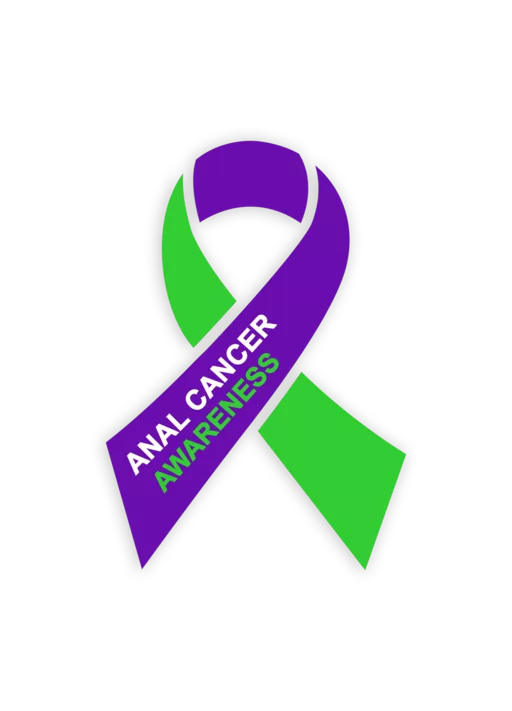
Since 2013, Anal Cancer has its own ribbon that prominently features the colours green and purple.
Find out moreAnal cancer, just like any other cancer, does not just affect the person with the diagnosis but everyone around them. Especially loved ones like family and friends. They can be a helpful support system to lean on. This is what you can do when someone close to you has anal cancer:
The treatment of anal cancer can be associated with various side effects, such as skin reactions, fatigue, and digestive problems.1 As a friend, partner, or family member, you can help alleviate these symptoms and support your loved one in managing everyday life.
Listen. Be present. Encourage. Motivate. Open communication fosters confidence and is incredibly important. Ask the person affected what they specifically need and want. Partners should also feel free to talk about sexuality to avoid misunderstandings and address changing needs. Connect with other caregivers and do not hesitate to build a support network.
Help minimize skin irritation (especially from skin care products containing alcohol or perfume).2 For example, you can buy a particularly mild soap.
Love goes through the stomach, whether platonic or romantic. The intake of enough calories is important, also if there is a lack of appetite.1 It can help to eat more frequently but in smaller portions.
Cancer and its treatments can lead to physical and emotional exhaustion.1 It is important for those affected to manage their energy wisely. Remind them to take regular breaks and help structure daily routines into manageable activity blocks. Gentle exercise helps to build stamina.
Pelvic floor exercise may strengthen the body, help with fascial mobilization, neuromuscular re-education and lymph drainage while also helping you feel more connected to the body.
Show your support, even if you don't know someone who's directly affected - by being open about it.
Image generated for illustrative purposes only.
Does not depict real patients or healthcare professionals. Image generated for illustrative purposes only. Does not depict real patients or healthcare professionals.